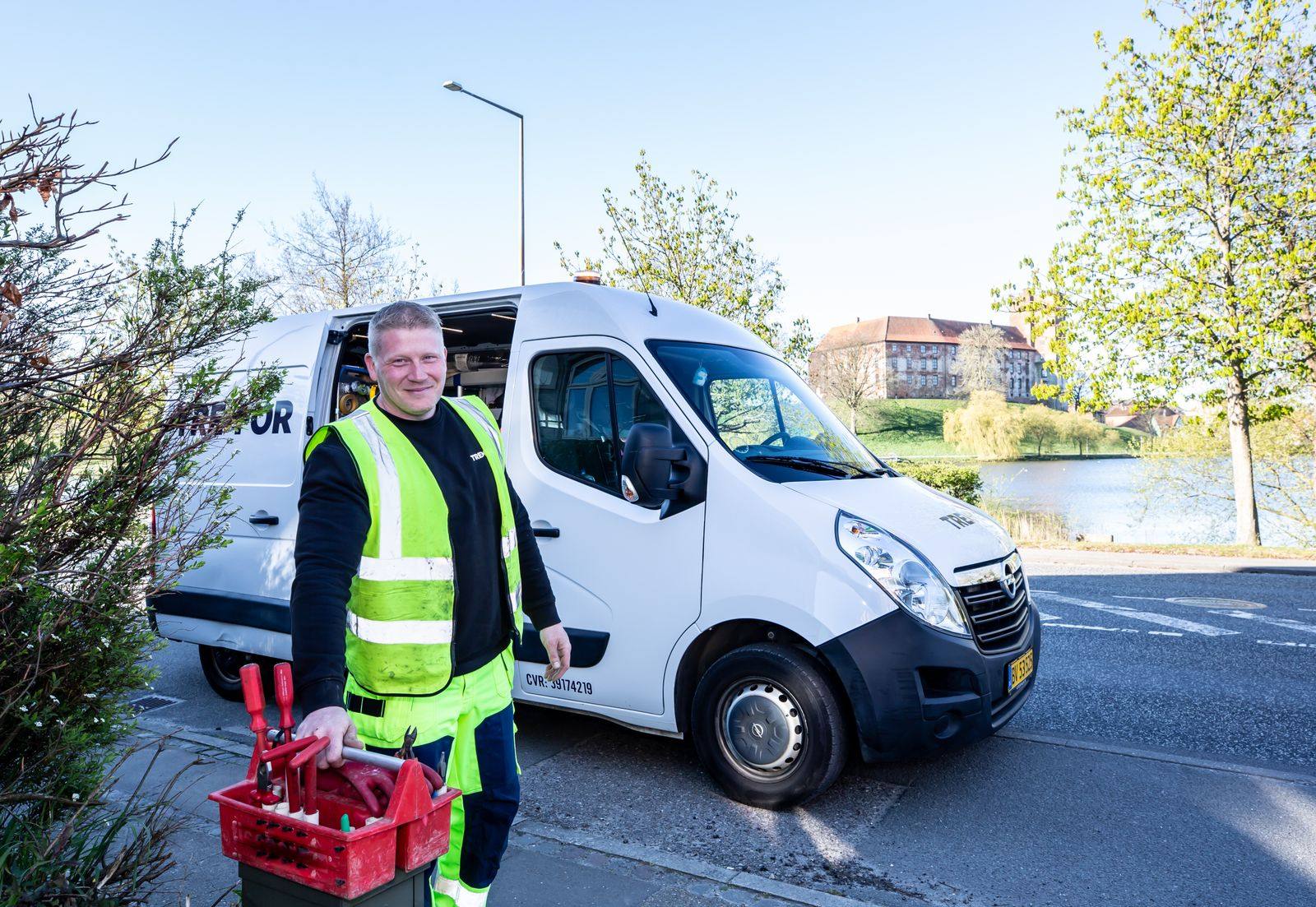
Tankless units are sophisticated machines, and that is both their strength and their weak spot. Instead of keeping forty or fifty gallons hot around the clock, a tankless heater springs into action only when water starts moving: a flow sensor detects demand, the control board fires the burner or elements, and water is heated on its way through the heat exchanger. Every step is watched by a sensor, and if any reading drifts outside its expected range, the board shuts the heater off and displays a code. For Hattiesburg, MS homeowners, that usually traces back to a short list of causes: scale building up inside the heat exchanger, a sticking or dirty flow sensor, an ignition problem at the igniter or flame rod, or a venting or gas supply issue the unit reads as unsafe.
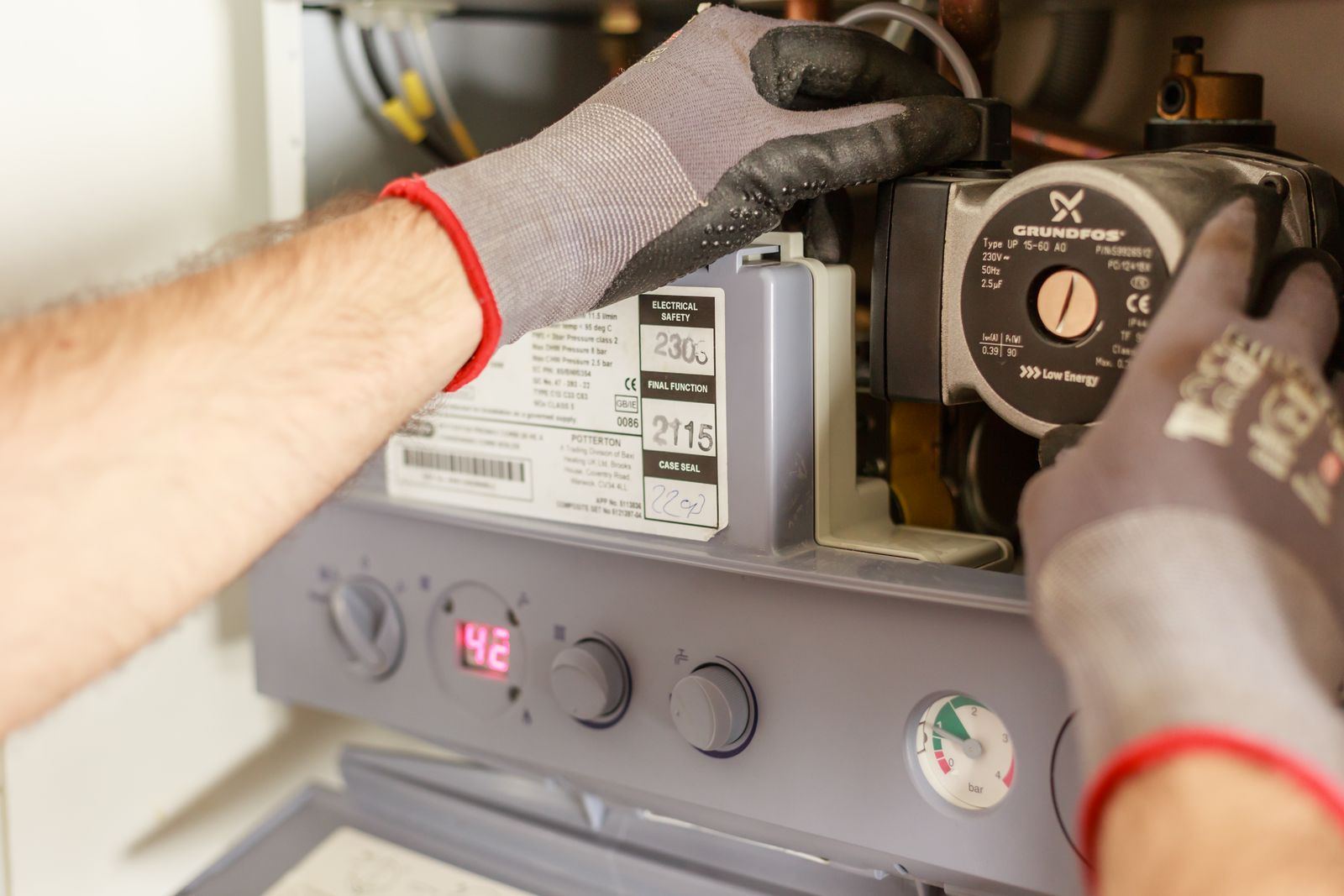
Error codes are a starting point, not a verdict, and we treat them that way on every Hattiesburg call. The same ignition failure code can come from a worn igniter, a fouled flame rod, a gas line too small to feed the burner at full fire, or an air intake clogged with lint. That is why Hattiesburg Water Heater tests before replacing anything. Our technicians read the fault history stored in the control board, watch flow sensor output with a faucet open, measure flame signal and igniter resistance, and put a manometer on the gas inlet to see what pressure actually reaches the valve when the burner is running flat out. We also compare inlet and outlet temperatures against the flow rate, which reveals a scaled heat exchanger long before it fails outright.
We work on tankless heaters from Rinnai, Navien, Noritz, Rheem, Takagi, and the other major brands, gas-fired and electric alike. The fix depends on the diagnosis: a full descaling flush through the isolation valves when scale is choking the heat exchanger, a new flow sensor when the unit no longer notices a faucet opening, a fresh igniter or cleaned flame rod when ignition keeps failing, or a vent correction when the unit trips on combustion air. Sometimes the answer is bigger. A gas line undersized for the unit's full firing rate has to be upsized, and a heat exchanger cracked by years of scale may make replacement the smarter call on an older unit. Either way, you get the facts before you spend a dollar. Call (601) 230-0332 to schedule tankless repair.
Our most requested service is Water Heater Repair in Hattiesburg. Either is a good place to start.
Signs You Need Tankless Water Heater Repair in Hattiesburg
Water heaters usually give plenty of warning before they fail, as long as you know what to look and listen for. If any of the following sound familiar, it's worth having the unit checked:
- A combustion fan that sounds louder or rougher than normal
- Outlet temperature that surges and sags while water is running
- Lukewarm water whenever two fixtures run at the same time
- Repeated ignition attempts, then a shutdown
- No hot water at a low-flow faucet even though the shower works fine
- A fault code on the front panel and no hot water
- A cold-water sandwich that has gotten noticeably worse
- Leaks under the unit or around its water connections
Don't Wait for a Total Failure
Most water heater failures start small: a popping sound from sediment, a damp spot under the drain valve, or a shower that goes lukewarm a few minutes sooner each week. If you notice any of these signs, contact Hattiesburg Water Heater at (601) 230-0332 for a prompt inspection.
Talk to Us About Tankless Water Heater Repair
One call gets a technician scheduled and a clear price before any work starts.
Call (601) 230-0332 TodayYour Tankless Water Heater Repair Questions Answered
Why Professional Tankless Water Heater Repair Matters
Tankless repair is a poor fit for DIY for two reasons: the diagnosis is tricky and the hazards are real. On the diagnostic side, an ignition code might mean a worn igniter, a dirty flame rod, low gas pressure, or a blocked intake, and replacing parts until the code clears adds up fast. On the safety side, a gas unit burns fuel at a very high rate and vents exhaust that contains carbon monoxide, while an electric unit can pull more than 100 amps through multiple 240-volt breakers. A mistake with either one is not a small mistake.
What you get from a professional is certainty. Instead of swapping parts, our technicians confirm the fault with a meter, a manometer, and temperature readings, so the fix is aimed at the actual cause. Descaling is done with a pump and service valves, not by pouring vinegar into an inlet and hoping. Gas pressure is checked with the burner at full output, vent runs are inspected against the manufacturer's length and clearance limits, and the unit is tested at low and high flow before we leave. Proper service also helps you stay within the manufacturer's warranty terms, many of which expect qualified service and regular descaling.
From Your Call to Hot Water
We follow the same careful process on every water heater, whether it's a quick thermostat swap or a full tankless conversion. Here's exactly how a typical visit unfolds:
Diagnose the Error Code
Codes get us started; measurements finish the job. Flow sensor output, flame signal, igniter resistance, inlet gas pressure, and vent condition all get checked before any part comes out of the box.
What We Found & What It Costs
Nothing is hidden. We walk you through the cause and the fix and give you the price up front. If the real problem is an undersized gas line or a worn-out heat exchanger, you will know before anything is spent.
Repair & Descaling
Because common parts ride along, the repair rarely waits. Scale is flushed out through the service valves, and worn sensors or ignition parts are swapped for new ones.
Verified Temperature Rise
We never assume a fix worked. We test the unit at low flow and at full demand, confirm a steady outlet temperature, and verify that the code is cleared and does not return.
Tips to Keep Your Water Heater Healthy
Most of the failures we see could have been delayed for years with basic upkeep. Here are our recommendations:
- Tell us before adding a gas appliance, so the gas line can be checked for the extra load
- Flush scale out of the heat exchanger annually, and sooner in hard water
- Treat a code that returns after a reset as a symptom worth diagnosing, not ignoring
- If scale comes back quickly, add a softener or a scale-prevention cartridge on the cold inlet
- Keep the vent termination and air intake clear of leaves, nests, snow, and lint
- Keep the unit powered during freezing weather so its freeze protection can work
- Rinse the small filter screen on the cold inlet every few months
Doing It Yourself vs. Hiring a Technician
A few tasks, like checking the temperature setting or lifting the relief valve lever to test it, are fine for homeowners, but most water heater work involves gas lines, venting, 240-volt circuits, or a tank full of scalding water, and that belongs with a professional. Consider the following comparison:
| Factor | DIY Attempt | Professional Service |
|---|---|---|
| Reading the Code | Trial and error based on the manual | Fault history and live readings pinpoint it |
| Descaling | Vinegar poured in without proper valves | Proper solution, pump, and flush time |
| Gas & Venting | Venting and gas supply problems missed | Manometer test at full fire, vent inspected |
| Board & Wiring | Exposed wiring and sensitive electronics | Circuits and board checked with proper tools |
| Replacement Parts | Generic parts that may not fit the model | Right part, installed once |
| Outcome | Temporary fix at best | Unit tested at low and high flow |
Book a Visit Today
Don't let a failing water heater get worse. Call Hattiesburg Water Heater now for prompt, professional service.
Call (601) 230-0332 TodayCommunities We Cover
We serve Hattiesburg and its neighboring towns for tankless water heater repair, from quick same-day repairs to planned installs.