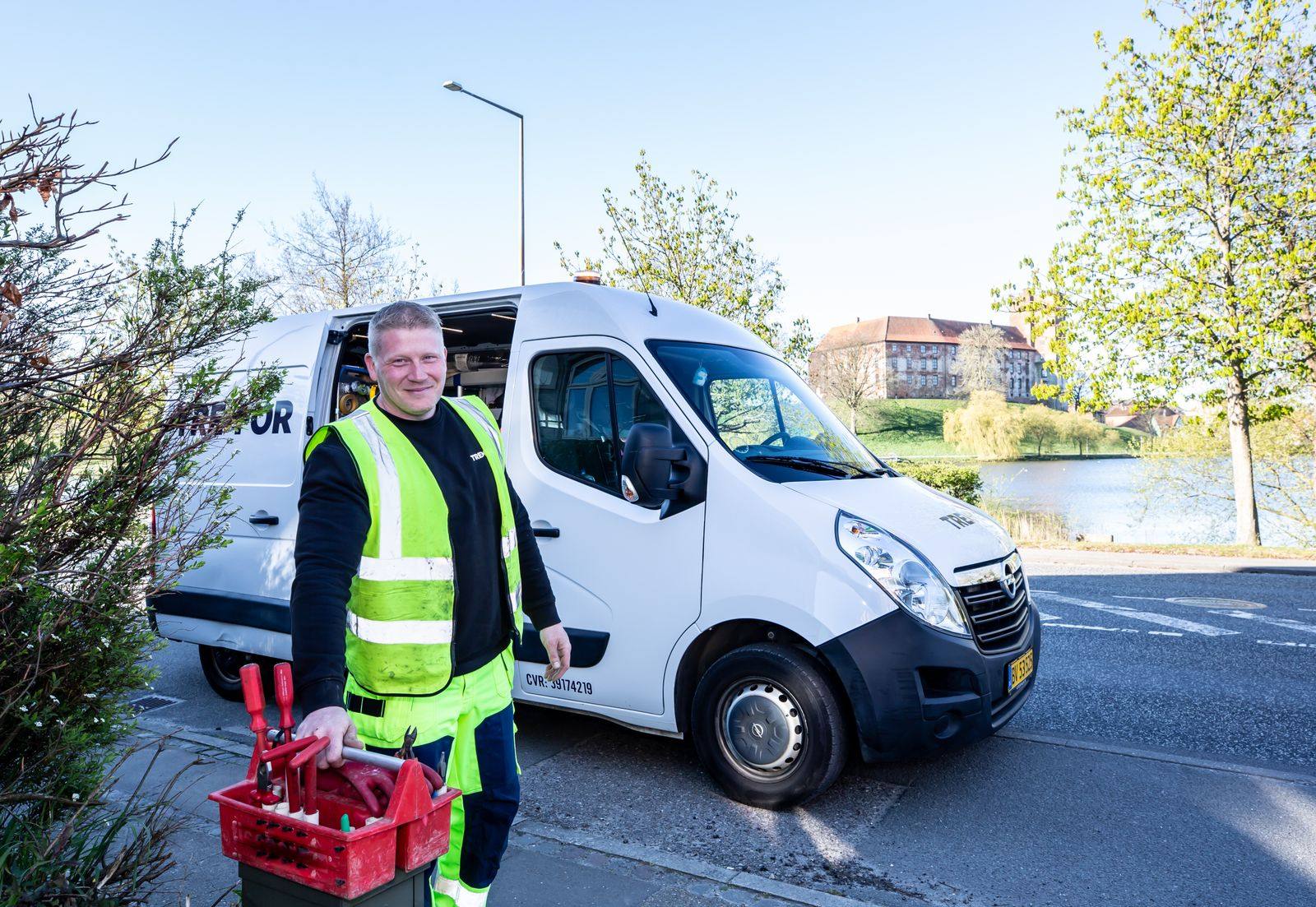
How do you know a water heater problem is urgent? Usually it is one of four things: active flooding, a discharging relief valve, water hot enough to burn, or a gas odor. Flooding is the one that catches people off guard. A failed tank is still connected to the cold supply, so it keeps refilling and leaking long after its own contents are gone, and the damage reaches finished floors and lower rooms fast. A T&P valve that keeps releasing water or steam is the heater telling you a safety limit has been exceeded. Scalding water points to a runaway thermostat or gas valve. A gas smell is its own category and comes with its own first steps, covered below. Across Hattiesburg, MS, we handle every one of these as a priority call.
Safety comes before the phone call to us. If you smell gas, leave the house right away, do not flip light switches or unplug anything on the way out, and call your gas utility or 911 once you are clear of the house. Once gas is ruled out, close the cold-water shutoff on the line feeding the heater; if it is seized or hard to reach, shut the main water valve for the house. On a gas unit, turn the control knob to OFF. On an electric unit, switch off its breaker, and never touch the panel while standing in water. If the relief valve is discharging, leave it open and never plug its pipe, because that valve is the only thing keeping an overheated tank from failing violently. Then call (601) 230-0332 and our team will pick it up from there.
The first thing we do is listen. When you call (601) 230-0332, we help you confirm the water and energy are off, suggest what to move out of the water's path, and dispatch a technician as fast as the day allows, with honest timing. On arrival, the priorities are safety, diagnosis, and a clear explanation. Worn relief valves, weeping drain valves, rotted dielectric fittings, dead thermocouples, and failed elements are the usual culprits, and we stock them so the fix rarely waits on an order. A tank that has corroded through is the exception, since nothing short of a new heater solves it, and we lay out those options honestly. Save our number now so you have it before you need it in Hattiesburg.
Our most requested service is Water Heater Repair in Hattiesburg. That's the place to start for most homes.
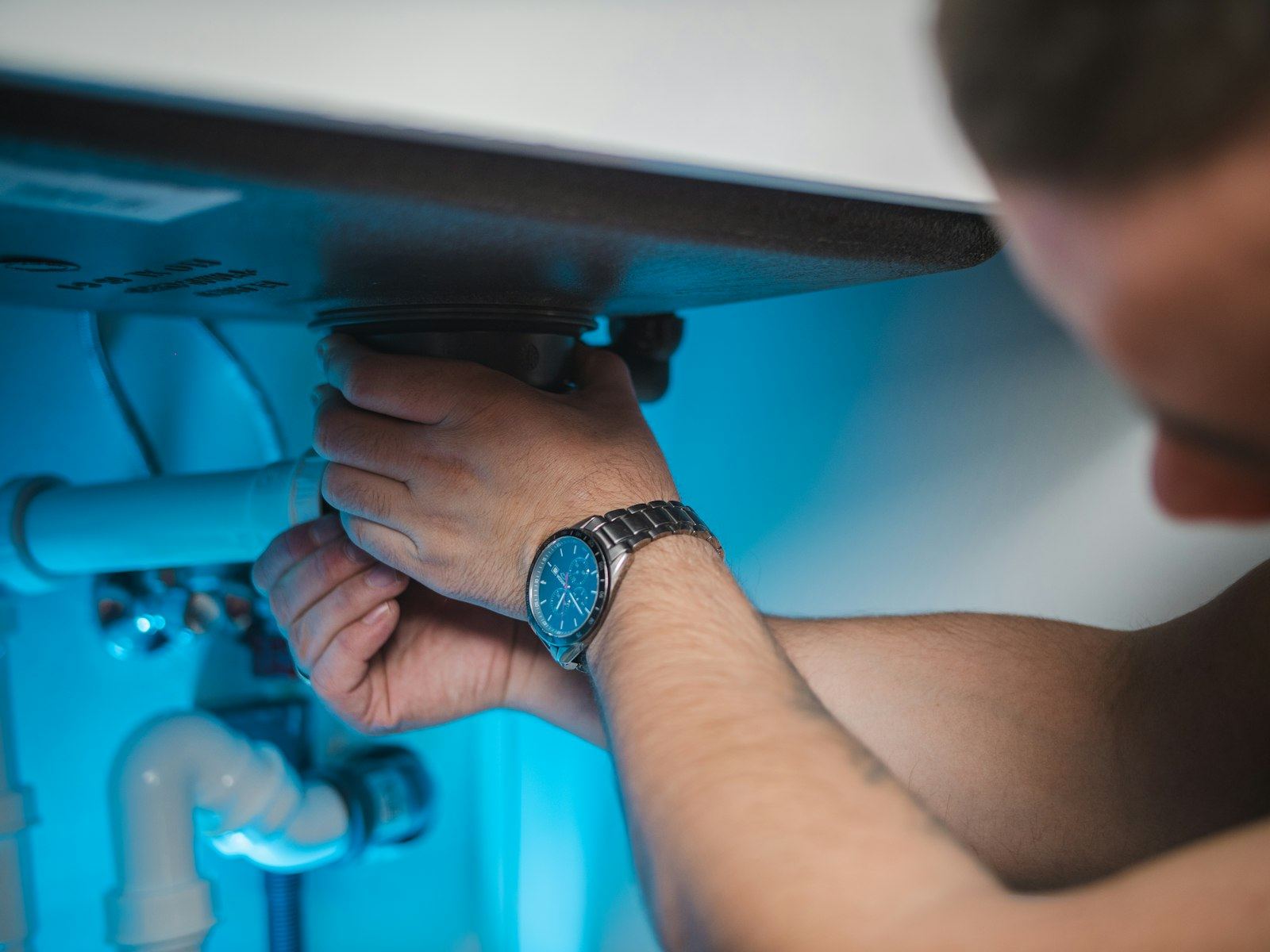
How to Tell Something Is Wrong
Most tanks announce trouble weeks or months ahead with rumbling noises, rusty water, or hot showers that keep getting shorter. Here are the most common indicators that it's time to call a professional:
- A T&P valve that releases water repeatedly instead of staying closed
- Hot water far hotter than normal, a sign of a runaway thermostat or gas control
- The smell of gas near the unit, a situation that calls for evacuating and phoning the utility or 911
- A puddle under the tank that keeps growing
- Sudden loud knocking or boiling sounds coming from inside the tank
- Every tap running cold and the heater showing no signs of life
- Black soot or heat discoloration around the burner door or draft hood
- A breaker that trips every time the electric heater tries to run
Act Before It Gets Worse
A worn-out anode rod, a sediment-choked tank, or a weak thermocouple rarely fixes itself, and the repair usually costs more the longer it waits. A quick call to (601) 230-0332 gets a technician out to check it before it becomes an emergency.
Water Heater Trouble? Call Us.
Call Hattiesburg Water Heater for fast, reliable service.
Get Help: (601) 230-0332Your Emergency Water Heater Repair Questions Answered
The Benefits of Professional Emergency Water Heater Repair
It is tempting to treat a leaking or dead water heater as a quick fix. In reality, you may be dealing with standing water beside 240-volt wiring, a gas supply and open burner a few inches from a puddle, and a tank of very hot water under pressure. The relief valve, if it is firing, is the final line of defense between an overheated tank and a violent failure, and plugging it is one of the most dangerous things anyone can do to a heater. Relighting a pilot while gas lingers, or cranking on a corroded fitting until it snaps, can make things much worse. Evacuate for gas, isolate, then phone is the right sequence for anyone without the tools and training.
Professional help is not just about having wrenches. It is about knowing why the failure happened so it does not happen again next month. When a relief valve discharges, we measure static water pressure and check whether an expansion tank is missing or waterlogged. When a tank floods the floor, we locate the true source, whether it is the valve, a fitting, a connector, or the tank wall. When a gas heater dies, we check thermocouple or flame sensor signal, gas pressure, and venting before restarting it. The diagnosis determines everything that follows. Components can be replaced the same visit; a failed tank cannot be patched, and we say so plainly and explain the replacement path.
What to Expect From Our Team
Good water heater work comes down to a consistent routine, and ours starts with a real diagnosis instead of a guess. Here's the short version:
Safety Call & Shutoff Guidance
On the call, we check for any gas odor first, then guide you to the cold-water valve and the heater's gas control or breaker so the damage stops growing while help is on the way.
Secure the Area
We send a technician with a stocked truck and give you a realistic time frame. The first job on arrival is confirming the heater is isolated and the area is safe to work in.
Repair or Honest Replacement
We trace the real cause, whether that is a worn valve, a rotted fitting, or a dead element, and repair it on the spot when the part is on the truck.
Restart & Verification
Restarting correctly matters. We fill the tank before power or gas returns, check fittings and the relief valve for leaks, verify draft on gas units, and leave the thermostat near 120F.
Want a Professional Opinion?
Our technicians can assess your water heater and recommend the option that actually makes sense.
Call (601) 230-0332 TodayHow to Prevent Water Heater Problems
A few simple habits, like an annual flush and a quick look at the relief valve, can add years to a tank. Start with these practical measures our team relies on:
- Flush sediment from the tank yearly, since buildup overheats the bottom and speeds corrosion
- Check the temperature and pressure relief valve each year so you know it will work when it matters
- Know where the heater shutoff and the main water valve are, and make sure everyone in the house does too
- Set the temperature around 120F, which protects against burns and slows tank wear
- Put the heater in a drain pan piped to a floor drain or the exterior where the setup allows
- Keep boxes, paint, gasoline, and cleaning products well away from a gas water heater
- Add a battery leak alarm or an automatic shutoff valve that closes the supply when it senses water
Comparing DIY and Professional Work
Online videos may help in a pinch, yet lasting repairs and code-compliant installs depend on correct venting, proper relief valve discharge piping, and a trained technician. Here's a comparison:
| Consideration | DIY Attempt | Professional Service |
|---|---|---|
| Gas Safety | Tempted to relight or poke around | Evacuate, utility clears it, then leak testing |
| Water Control | Unsure which valve to close | Supply isolated fast, stuck valves handled safely |
| Relief Valve | Valve capped or plugged, a dangerous move | Cause found: pressure, expansion, or overheating |
| Electrical Hazard | Live wiring close to a flooded area | Power tested off and area made dry and safe |
| Diagnosis | Symptom treated, source unknown | Leak and failure point pinpointed |
| Result | Problem likely to return | Lasting repair or honest replacement advice |
Let's Get Your Hot Water Back
Get your hot water back before a small fault turns into a flooded floor. Hattiesburg Water Heater is ready to respond fast.
Tap to Call (601) 230-0332Where We Provide Emergency Water Heater Repair
Our technicians handle emergency water heater repair throughout Hattiesburg and the surrounding communities, with the same upfront pricing everywhere we work.